There are fruits whose very name carries a hint of mystery. Such is blueberries. So what is the origin of this name?
A name that on one hand sounds like a Hebrew linguistic root and on the other hand doesn't connect to any root that a Hebrew-speaking Israeli would recognize. The answer is that the origin of the name is not in Hebrew but in a related and forgotten language – Aramaic. "Uchma" in Aramaic means a dark color close to black, and it certainly suits this dark purple-blue fruit.
But wait, does the fact that this fruit is called by a forgotten language indicate that it's known here in the region and in Jewish sources from time immemorial?
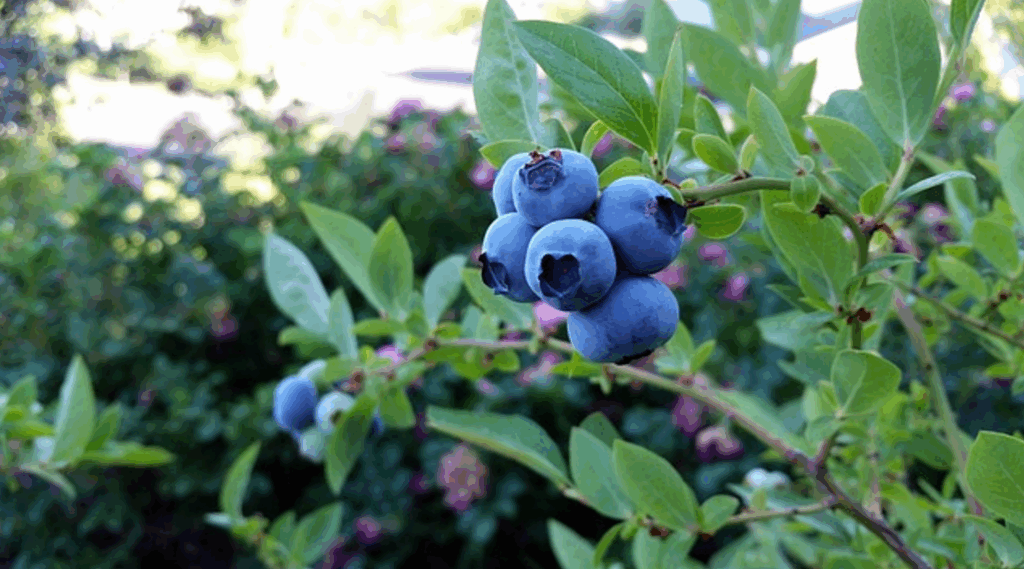
Well, no. The name is based on the Aramaic language (which until 2,500 years ago served as an international language, lingua franca, in the Levant and the ancient Near East). But the word is relatively modern and teaches us that the revivers of the Hebrew language also see Aramaic as a source from which one can draw and gain inspiration for linguistic innovations.
So unfortunately, blueberries (and with your permission, since a blueberry is a small fruit eaten in clusters, I will henceforth refer to it in the plural – "blueberries") probably were not eaten here in biblical times. This is a fruit common in cooler and rainier climates, it has many varieties and subspecies in Europe and North America, and the common cultivated version originates from wild North American varieties.
In recent years, this fruit is beginning to gain recognition among Israelis, who for years knew it mainly in its frozen or preserved version. Today, alongside imported blueberries (which should be avoided because they undergo sterilization with problematic chemicals), there are also locally grown blueberries (mainly in the Golan Heights) and fortunately, several organic orchards as well.
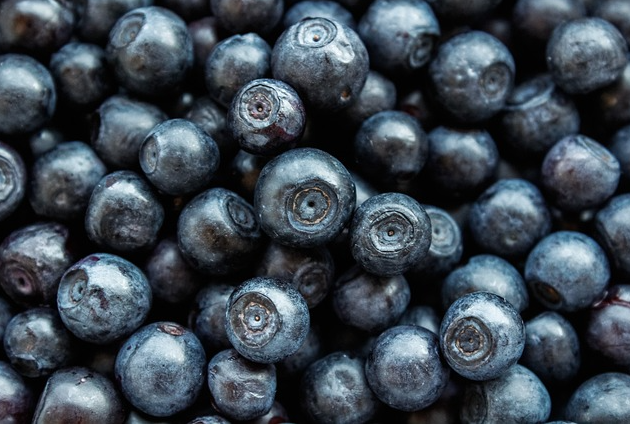
The most prominent characteristic of blueberries is their color, which ranges from dark purple to dark blue. The reason for this unique color is that blueberries are world champions in anthocyanins, a pigment that in high concentration produces this purple-blue presence.
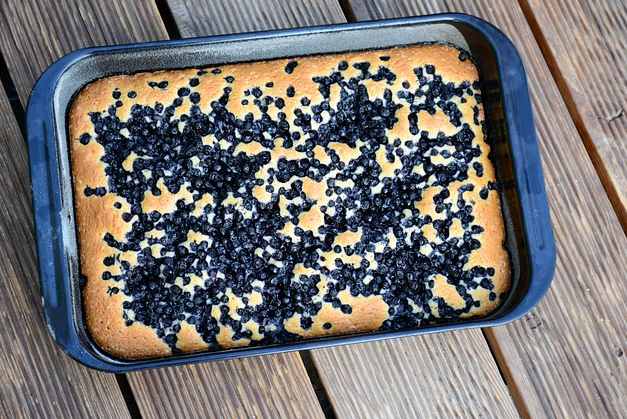
You will surely be happy to hear that anthocyanin is also a powerful antioxidant. Studies indicate that anthocyanin is an anti-inflammatory substance that slows aging processes and may help diabetes sufferers. Another beneficial compound found in blueberries is glucokinin, which is also beneficial for lowering sugar levels. In addition, blueberries contain vitamins (K, C), dietary fiber, and minerals like magnesium and potassium.
So yes, they are incredibly healthy, but we are also here to enjoy culinary aspects, so let us talk about that side. In the taste department, they have a particularly deep sweet-tart flavor that pairs excellently with desserts like cakes, ice cream, and whipped cream – where the small, sweet blueberries have become companions that will upgrade any dessert.
This also brings us back to color, because anyone who wants to introduce a dramatic touch of purple-blue to a dessert and wants to avoid using food coloring – blueberries it is. In the same breath, blueberries go wonderfully as an enhancement for savory and piquant flavors – from cold platters to stews, and now, at the seam between spring and summer in late May and early June, they are exactly in season.