Long-time readers of this newsletter already know that one of the most critical moments in the history of Western cuisine was the Spanish conquest of Mexico. The Spanish conquest of America did destroy a long line of ancient cultures, but thanks to it, by the end of the 16th century we received, among other things: tomatoes, corn, peppers, and potatoes.
But according to reports written by the first Spanish missionaries who arrived in the Mexico region – reports that dealt, among other things, with local food plants – there was a very central plant in the diet and culture of Mesoamerica that was not adopted by Western cuisine: chia.
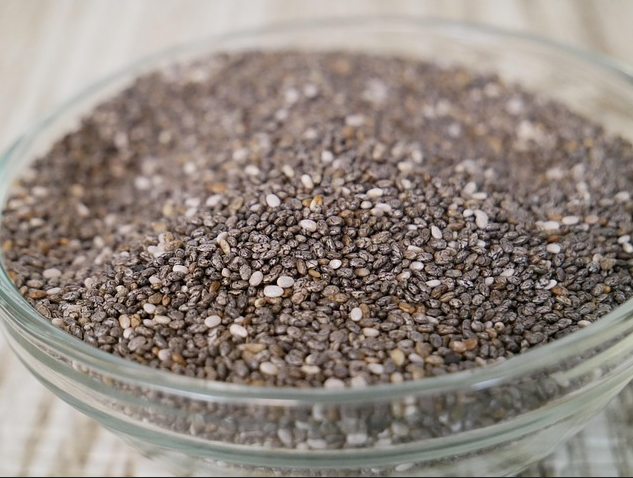
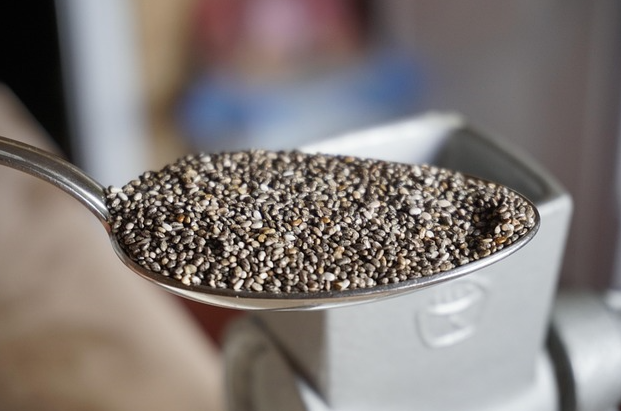
Chia, or by its official Western name – Mexican sage, is a plant from the mint family (which makes it a cousin of mint). The natives of South America used its seeds both as a source of oil and for a variety of other foods. At least according to reports, in Aztec culture chia was almost as central as corn, and its seeds served both as currency and as offerings to the gods.
In any case, despite this interest, it turned out that the West missed chia, and until the end of the previous millennium, almost no one in the West attributed importance to it or paid attention to it. As evidence, in a report published by the European Union in 1997, chia was classified as a "novel food", despite the fact that in Mexico and Guatemala it's a plant that has been consumed for hundreds and perhaps thousands of years.
So what suddenly happened? Why did the West remember chia? Well, it seems to be a result of New Age culture. Starting in the 1960s, a group of people in the West began to develop a concept of returning to ancient roots. As part of this, attention turned toward forgotten primitive cultures that were perceived as preserving ancient knowledge and more "natural" or intuitive ways of life.
Part of the expression of this was in food. Suddenly all kinds of forgotten roots, nuts, mushrooms, grains, and seeds became bon ton. Some that were identified as rich in antioxidants, complex proteins, or unsaturated fatty acids gained the status of superfoods. This is the context in which chia was rediscovered and chia seeds became a common and trendy ingredient.
Chia seeds contain a winning combination of proteins, carbohydrates, and fats. Unlike other superfoods, chia seeds are relatively economically accessible, which is why we also encounter chia in the beverage and processed food industries. It's important to note that while there's no question about the nutritional values, there's also no research confirmation that chia consumption, by itself, might prevent heart events (though such a claim was once widespread).
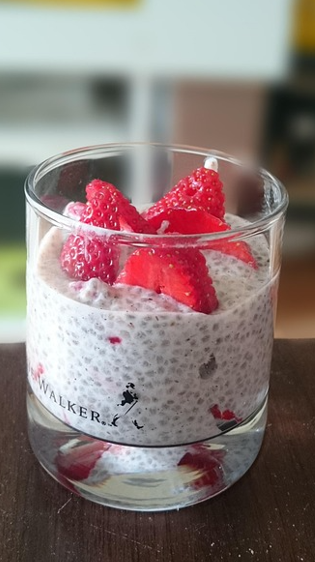
What's nice about chia seeds is that you don't need to grind them – you can consume them as they are, as an addition to drinks, salads, shakes, or granola. Additionally, because they're very hydrophilic (easily bind with water), you can create a gelatinous paste from them that you can work with almost like dough. So with your permission, here's a chia pancake recipe I've been wanting to try for a long time.