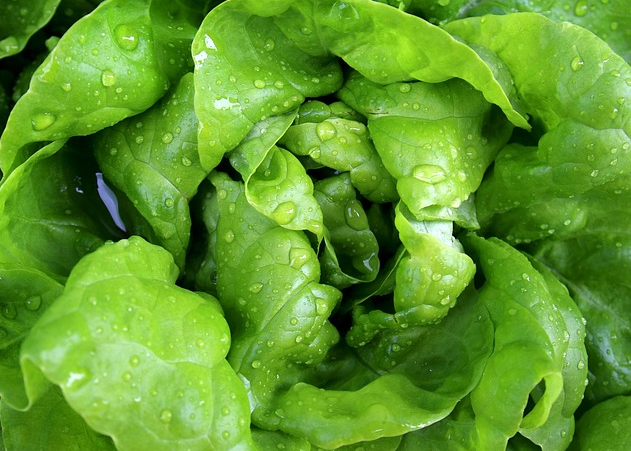
What could possibly be new when it comes to lettuce? You would be surprised, there actually is, and the Little Gem variety featured in this week’s box is a perfect example. We will get to this sweet lettuce (in more ways than one) in a moment, but first, let’s revisit where this humble green came from.
In many ways, lettuce really has been with us “forever”, at least since humans began practicing what we call “culture.” Lettuce was domesticated from a wild plant in the Asteraceae family known as compass lettuce. It still grows in Israel today, but genetic research shows that all cultivated lettuces are descendants of a strain first domesticated around the Caucasus, sometime around 4000 BCE.
Interestingly, the plant was originally cultivated for its seeds, which were pressed for oil. Through artificial selection, farmers began favoring plants with broader leaves (which made seed collection easier). At some point, they realized the leaves themselves were edible and tasty, and lettuce became a vegetable in its own right.
From the Caucasus, lettuce spread early on to the Far East, the Near East, and Europe, where different local varieties developed. That is why we have “Roman lettuce,” “Arabic lettuce,” round-headed types, curly types but all of them are descendants of that ancient Caucasian lettuce.
Yes, I can already hear the skeptics: at the end of the day, it is just lettuce. Low-calorie leaves are useful for adding volume and color, sure, but often a neutral backdrop, like the supporting role it plays in a burger. After all, it is “just lettuce.”
But here is the thing: there are huge differences between lettuce varieties. They vary in crunchiness and in flavor, ranging from bitter (and bitterness is not always a bad thing, it adds balance in a salad) to genuinely sweet. Do not believe lettuce can be sweet? That is exactly why we have Little Gem for you today.
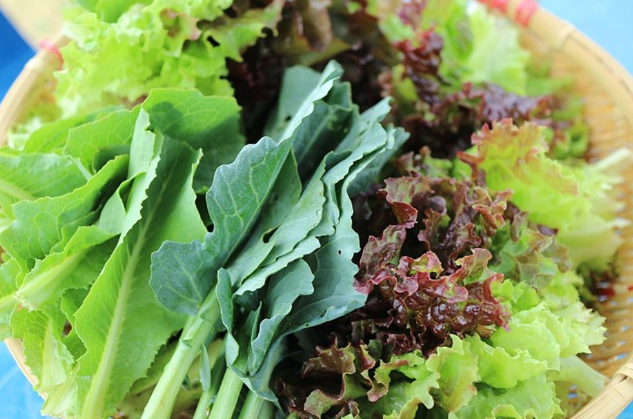
“Little Gem” (literally “small jewel”) is a French variety, and true to a nation famed for haute cuisine, they created a lettuce I have no hesitation calling delicious.
Before we get to its unique flavor, let us talk about another quality that makes Little Gem so chic in a culinary sense: its size. If you have followed this column, you know I have a soft spot for miniatures, from cherry tomatoes to Brussels sprouts (let’s not open the can of worms about the so-called “baby carrot,” which is just carved down from a regular one). In that sense, Little Gem is like the cherry tomato of lettuces or to be more precise, maybe the date tomato.
In short, it’s a compact, rounded mini-lettuce with a pale white heart, a silky texture, and believe it or not a sweet taste. Don’t expect fireworks; it is still lettuce. But take a bite of a fresh Little Gem leaf, close your eyes, and you will taste the sweetness. It truly earns its nickname: the caviar of lettuce.