With the Sukkot holiday just around the corner, it feels natural to talk about something connected to the Four Species. Dates have already made an appearance here two weeks ago, willows do not exactly fit the theme, and the citron, we have discussed it before in other contexts. That leaves us with the myrtle.
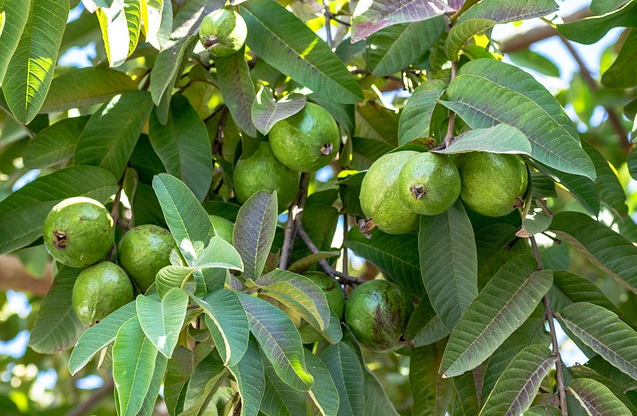
The myrtle, as tradition says, has fragrance but no taste. True, we do not usually eat myrtle leaves, but the myrtle has relatives, and even an entire botanical family that bears its name: the Myrtaceae family. So, this week’s column is dedicated to another fragrant member of that family: the guava.
Unlike the myrtle, the guava definitely has a taste and it also has a smell. Yes, I know, there is no way to avoid the topic: guava belongs to that small, controversial club of fruits and vegetables (think cilantro) that you either love or cannot stand. There’s no middle ground.
As for me, I am in the “love” camp. Did you expect otherwise? To me, the scent of guava is completely normal, even pleasant. But, as the saying goes, taste and even more so smell, is not something people tend to agree on.
What is interesting about guava is that it gives off a strong “local, subtropical” vibe. Maybe that is because it’s so common across the Middle East. It is even considered the national fruit of Pakistan and has been cultivated throughout the region for centuries (a nostalgic nod to the legendary guava juice of Sinai). But here is the truth, it is not originally from around here.
The guava hails from South America. Only in the 16th century did it cross the Atlantic with the Spanish and take root across the subtropical regions of the Old World. In Israel, guava has been cultivated for over a hundred years. Up until the 1950s, most guava orchards were tended by Arab farmers in local villages.
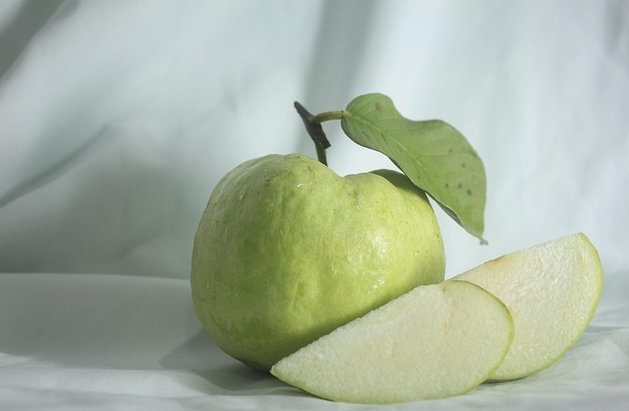
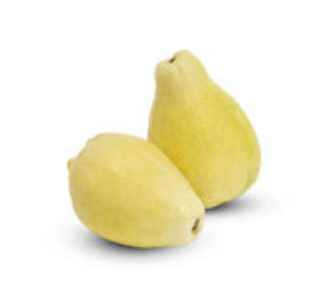
Around the time of Israel’s founding, an agronomist named Shimon Ben-Dov became fascinated by guava and decided to develop a local variety suitable for commercial cultivation, and that is exactly what happened. Since the 1950s, Jewish farmers began planting guava as well, and to this day, the most common variety in Israel is the Ben-Dov guava: large, pear-shaped, pale-fleshed, and delicately sweet.
The fruit itself is incredibly healthy. It has a low glycemic index, is packed with vitamins (A, B, C, and E), minerals like potassium, calcium, and phosphorus, and is rich in dietary fiber.
What to do with it? Primarily, just enjoy it fresh: chilled, sliced, and simple. Beyond that, it is perfect for juices, fruit platters, cakes, or sorbets, the guava embraces them all with love.