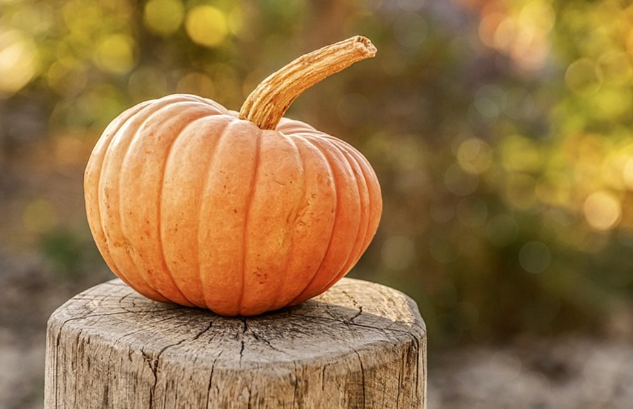
How do I know autumn has truly arrived? Because, like Cinderella, I start turning into a pumpkin. Well… not exactly like Cinderella—but my kitchen suddenly comes to life again. It is mid-October, and pumpkins are back.
The pumpkin is so much more than a comforting vegetable; it is a cultural icon. Considering that we (in Europe and Asia) have known it for only about four hundred years, which is quite an achievement. And what better proof than the story of Cinderella?
For most of us, Cinderella means the 1950 Disney classic, where the pumpkin plays a starring role. I always assumed that was where the connection began, but after digging a little deeper, I discovered that the bond between pumpkin and fairy tale goes back further. The origins of the Cinderella story are a bit murky, but by the Middle Ages, it was already a popular folk tale with several versions, some of which were written down by the 17th century.
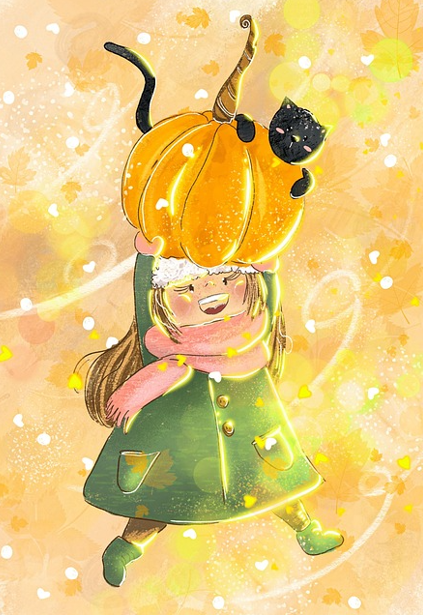
Yes, even the Brothers Grimm included it (though they called her Aschenputtel). The Grimms may be the most famous collectors of folk tales, but they were not the first. In fact, the French author Charles Perrault included Cinderella in his 1697 collection of folk stories, and in his version, the pumpkin already appears, transforming into the magical carriage we all remember.
Interestingly, about a century and a half later, when the Brothers Grimm published their version, the pumpkin was gone, replaced by a nut! No wonder Disney brought the pumpkin back; it is the perfect royal vegetable to carry a princess.
The fact that the pumpkin found its way into such a beloved story just a few generations after becoming a common food in Western Europe says a lot about the esteem it enjoyed. It was considered a magical plant, a symbol of fertility and, most importantly, it was delicious. For Europeans, it opened a new world of flavors and culinary possibilities.
The pumpkin adapted beautifully to Western Europe and quickly became a staple. Of course, everyone knows Halloween (which, not coincidentally, takes place at the end of this month), where pumpkins steal the spotlight, but wander through Europe in the fall and early winter, and you will find pumpkin festivals everywhere, from small towns to grand city fairs.
Dedicating a festival to a fruit or vegetable is not unique to pumpkins, but in their case, there are dozens of such events across Europe, a true sign of their iconic status (and their irresistible flavor).
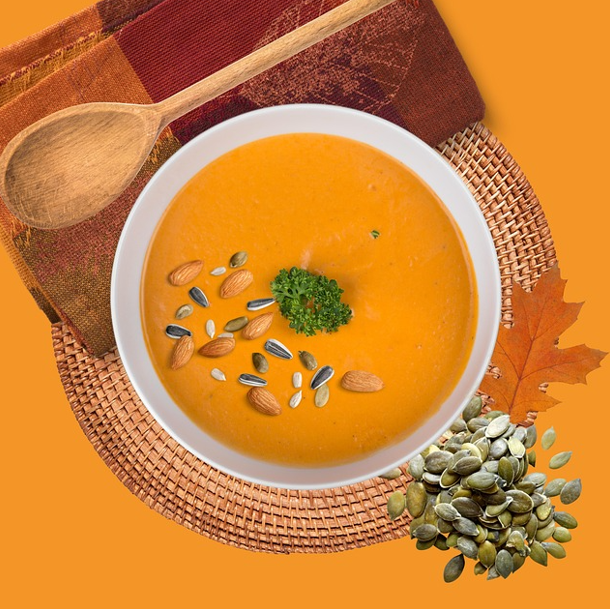
There are endless ways to enjoy pumpkin. I do not need to tell you about pumpkin soup, but it is also wonderful roasted in stews, puréed like mashed potatoes, as a filling for dumplings, or even baked into cakes.
When I say “pumpkin,” I’m talking about an entire family of vegetables with many varieties, most of which are just now coming into season. Alongside the classic pumpkin, the garden currently offers butternut squash, acorn squash, and Japanese kabocha. I’ve written about them all before, but this week, I wanted to celebrate pumpkins in general.
And to do so, I’ll switch hats from writer to cook. Since the weather is still mild, I’ll take advantage of it and share a perfect early-autumn recipe: a cold pumpkin soup, gazpacho-style.