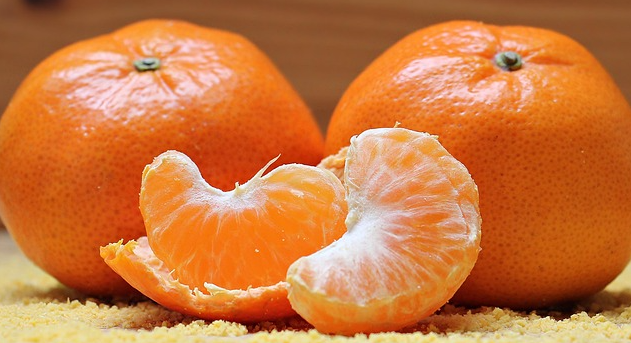
There’s one thing everyone can agree on: the clementine is a wonderful fruit. Right? Great. Now here’s a fact, clementines haven’t actually been grown in Israel since the 1950s. Your grandmother definitely ate clementines; you, probably not.
Before you start throwing peels at me in protest, let me explain. It’s not as dramatic as it sounds but first, let’s add two more names to the mix: mandarin and tangerine. The simple truth is that when most people say “clementine,” they usually mean “mandarin” or “tangerine.” And that’s fine because they’re almost the same fruit.
I say almost, because technically, clementines and tangerines are both varieties of mandarin. In practice, the confusion runs deep, so deep that these names are often used interchangeably. To make things even messier, most of the varieties we know today are hybrids of the original species, not exact matches to their ancestors.
So, let’s set things straight: the fruit you call a clementine is actually a mandarin, one of the original citrus fruits. In fact, the mandarin is one of only four true wild citrus species that existed long before us. Through centuries of cultivation and crossbreeding between these four (which include citron and pomelo), nearly all the citrus fruits we know today like oranges, grapefruits, and lemons came to be.
So is the mandarin we eat today the same as the ones that grew in ancient China? Not quite. Like most domesticated plants, mandarins were cultivated and refined, producing many different varieties, one of which leads us to the clementine. (And yes, the name mandarin hints at its Chinese origins, the fruit was named after the Mandarin language.)
From China, citrus trees spread across the Middle East and into Europe as early as the first millennium BCE. One place where the mandarin thrived was North Africa. Trade routes carried the fruit from the port of Tangier, near the Strait of Gibraltar, and by the late 18th century, the mandarins that arrived in Europe were known as “tangerines.” In some places, that name is still used today, even for mandarins that have never been anywhere near Tangier.
So what exactly is a clementine? For that, we stay in the same region. The story begins in Algeria, where a French missionary named Father Clément Rodier lived in the heart of mandarin country where the fruit was known as the “tangerine.” Rodier, who dabbled in horticulture, began cultivating new varieties for fun. One of his experiments produced a small mandarin that was sweeter than usual and incredibly easy to peel.
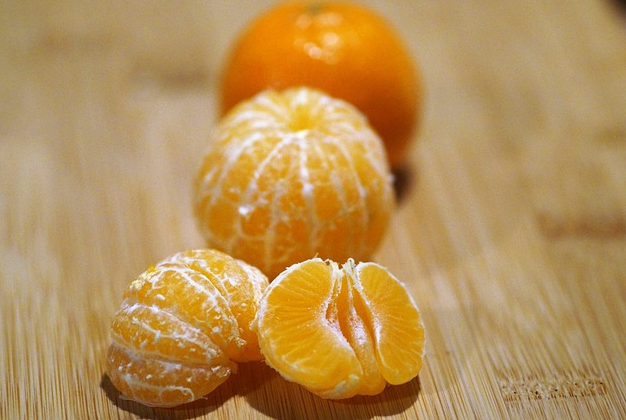
This new variety named after him, the clementine quickly became a sensation. By the early 20th century, it had become the dominant mandarin variety in the West, and the name “clementine” gradually took over “mandarin,” becoming a general synonym (just as “tangerine” had before it).
Up until the early 1950s, Israel’s mandarin orchards were based mainly on clementine varieties hence the name’s lasting popularity here. But since then, much has changed. At the Volcanic Institute, Israeli scientists developed new mandarin hybrids better suited to local soil and climate -sweeter, easier to peel, and with fewer seeds. These varieties: Or, Ora, and Orah eventually replaced the clementines our grandmothers once knew.
Confusing? Maybe a little. But in the end, what really matters isn’t the name. It’s that simple winter pleasure: the ease of peeling, the neat little segments, and that burst of bright, vitamin C-rich sweetness in every bite.