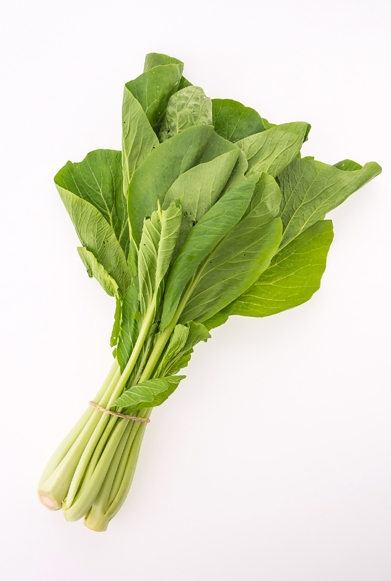
There are hundreds of species and tens of thousands of varieties of fruits and vegetables in the world that can serve as food. Yet, even in our globalized, modern world where almost anything can be transported anywhere and technologies like refrigeration make it possible to preserve freshness of the variety of produce we actually encounter at the local market remains limited.
Do not get me wrong, there has never been a time in human history with such diversity of fruits and vegetables available on supermarket shelves. Still, the world is vast, and some vegetables simply slip under the radar. Today, I would like to introduce you to one of those hidden gems: Tatsoi.
So, what exactly is Tatsoi?
Sharp-eyed readers might already guess from its sound that it is of Asian origin. Indeed, you are right- the literal meaning of Tatsoi in Cantonese (one of China’s major languages) is “liquid vegetable.” The name probably refers to the way Tatsoi leaves spread low and wide across the ground.
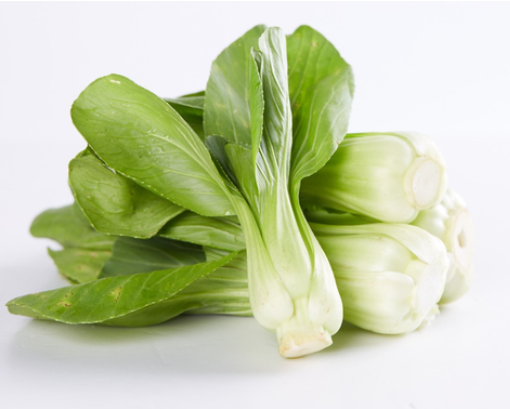
Tatsoi belongs to the famous Brassica family , the same clan that gave us cabbage, cauliflower, and many other familiar faces. It somewhat resembles Bok Choy, another Asian leafy vegetable that has become fairly well-known in Israel in recent years. But while Bok Choy is no longer a stranger in our markets, Tatsoi is still quite a rare guest.
Although it has already gained a solid foothold in North America, Tatsoi remains a novelty here and for us at the garden, it is truly a delightful discovery. We are happy to announce that our Tatsoi is organically grown.
When it comes to nutritional value, Tatsoi offers everything you would expect from a high-quality Brassica: plenty of dietary fiber, antioxidants, and minerals such as iron and calcium.
All right, so we have a new leafy green that looks like Bok Choy, what’s the big deal?
Well, a new vegetable means a new flavor. After experimenting with a few heads of Tatsoi in my own kitchen, I can happily report that it is a hit.
At first glance, it resembles Bok Choy, but in texture and taste, it is much closer to spinach with a subtle mustardy twist. And yes, I tested it, it works perfectly as a spinach substitute.
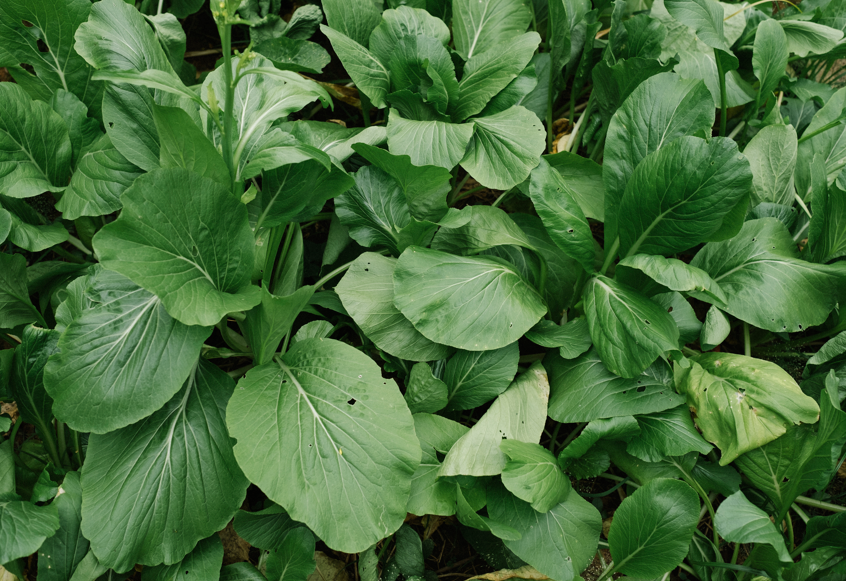
It is crisp and lovely when eaten raw (I added it to a lettuce salad and it was fantastic), but it also shines in stir-fries. I have not tried it in soups yet, though I am sure it would work beautifully there too. I even came across online recipes for Tatsoi-based pesto which, I must say, will be my next kitchen experiment.
In any case, I highly recommend taking advantage of the opportunity this week to try this new (for us) leafy green. It is a discovery worth making.