Modern agriculture in the age of globalization comes with plenty of problems, but it also brings undeniable advantages. Organic farming offers many benefits, yet it would have been difficult to feed the world without modern agricultural methods. Another gift of globalization is that plants and fruits once found only in remote corners of the world can now be picked up at almost any supermarket.
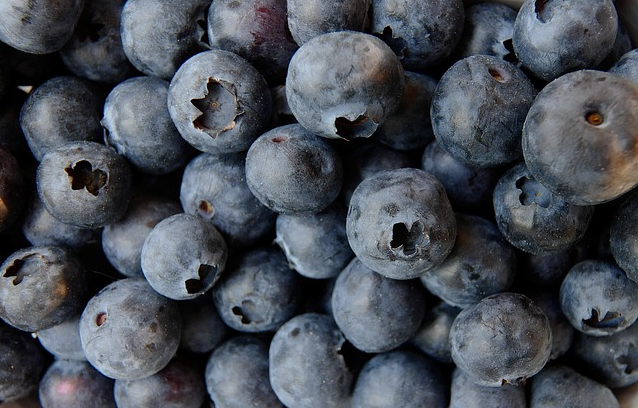
Perhaps the best example of this in recent years is the blueberry. When I was a child, blueberries felt like something out of an adventure novel, an exotic fruit from distant lands. Suddenly, they are everywhere.
What is fascinating is that despite their romantic image and worldwide popularity, blueberries are actually a very recent agricultural crop. Commercial blueberry farming only began in 1912, and outside North America, blueberries have been cultivated only since the 1930s. How can such an iconic fruit have such a short agricultural history?
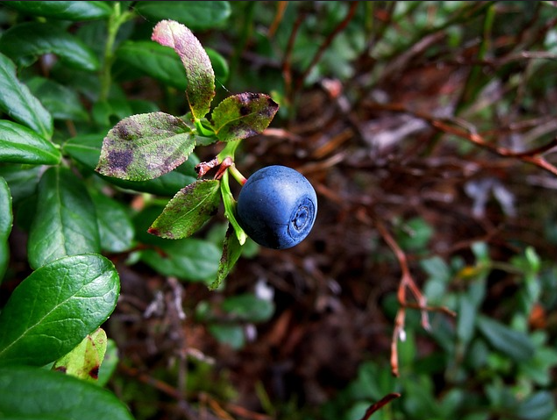
The answer is simple. The fact that people did not cultivate blueberries does not mean they did not eat them. Native peoples in North America, in what is now the United States, have been gathering and eating blueberries for at least 15,000 years.
Contrary to outdated stereotypes, historians now know that some Native American societies were practicing agriculture more than two thousand years ago, and they were remarkably skilled at it. They domesticated plants and developed new varieties, so why didn't they do the same with blueberries?
The answer is almost trivial. Blueberries were, and in many parts of North America still are, incredibly abundant in the wild. Even without cultivation, they produce enormous quantities of fruit and are exceptionally easy to gather. So why bother domesticating them?
Naturally, once European settlers established themselves in North America, they too discovered this treasure. Like the native populations, they enthusiastically gathered wild blueberries. The abundance of the fruit was so great that, despite being a foraged product, blueberries could already be found in the markets of the New England colonies by the late seventeenth century. That is how they became an icon of the Western imagination.
It is worth opening a small parenthesis here. The blueberry closely resembles many berry species found in the Old World, and in some languages the term "blueberry" is even used as a generic name for several different types of berries.
The fact that the fruit Europeans encountered in America reminded them of familiar berries certainly helped its popularity. Even so, the early settlers, who were deeply committed to agriculture and brought countless crops from Europe, never felt much urgency to domesticate blueberries. Nature was already doing most of the work.
That changed in 1912, when American farmers finally accepted the challenge and domesticated one of the wild varieties. From that moment on, the road to global success was wide open.
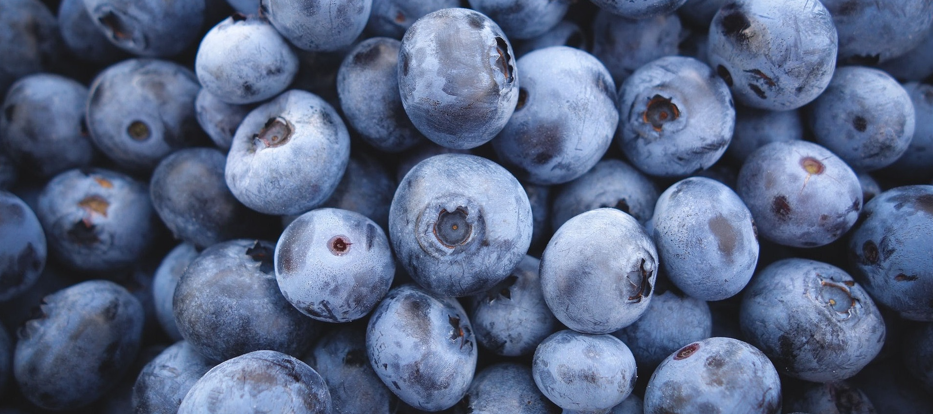
The first attempts to grow blueberries in Israel began about thirty years ago, in the early 1990s. Adapting them to the local climate was no easy task. Blueberries thrive in highly acidic soil, while most agricultural soils in Israel tend to be alkaline.
On the other hand, agricultural innovation is one of our strengths, and around 2018 a breakthrough finally made it possible to grow blueberries successfully in Israeli soil. The result is the abundance of blueberries we enjoy today.
Fortunately, organic agriculture has embraced this magical fruit as well. Its deep purple color comes from generous amounts of a pigment called anthocyanin. In fact, I mentioned anthocyanins just last week in connection with purple okra. These compounds are powerful antioxidants that are genuinely beneficial to our health.
Blueberry season will end in just a few weeks. Until then, my advice is simple:
Enjoy every berry.