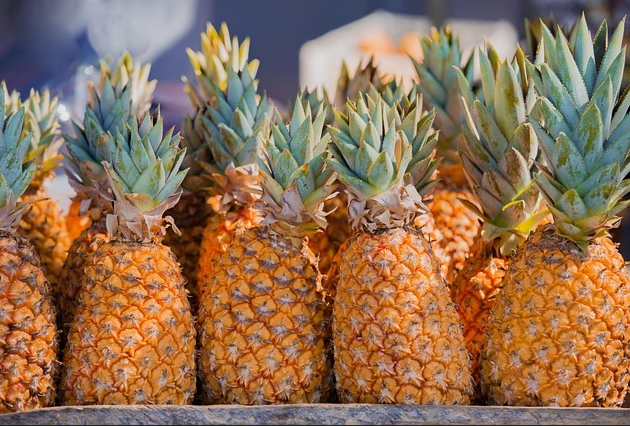
Like most Israelis, my first encounter with pineapple came courtesy of a tin. I was not complaining that canned pineapple was a treat (and remains something of a guilty pleasure for me). But the realization that pineapple was an actual fruit, available fresh, came much later.
It was not that I did not recognize its iconic shape (thank you, SpongeBob!). It just felt so distant and exotic that, as far as I was concerned, pineapple was something that grew in a can. Even my first encounter with pineapple in another form was quite different from the fresh fruit that has become a familiar sight in Israel over the past decade. It was an unforgettable dessert at a local Chinese restaurant: “Flaming Pineapple.”
So is it any wonder that, like many others, I assumed pineapple came from the Far East? The truth is different because pineapple is a far more deceptive fruit than you might think. A clue to its origins lies in the name that made its way into Hebrew, still echoing an Indigenous language whose speakers, in what is now Brazil, disappeared centuries ago. Their word for the fruit, “anana,” simply meant “good fruit,” and it still peeks through in the modern Hebrew name: “ananas.”
Yes, pineapple is tropical. But in many ways, its story is not dramatically different from those of the potato, pepper, corn, and tomato, which only reached the Old World (Europe, Africa, and Asia) following the discovery of the Americas during the sixteenth century. As a tropical crop, pineapple quickly took root in Southeast Asian countries such as Thailand and the Philippines. Today, it is more strongly associated with those places than with its South American origins.
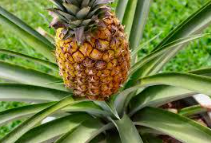
In Europe, however, its reception was far more ambivalent. True, growing pineapple there is difficult, but it is not impossible. From the seventeenth century onward, “sun rooms,” the ancestors of modern greenhouses, were already widely used in Western and Northern Europe to grow exotic flowers or tomatoes.
Besides, wrapped in its prickly skin, pineapple was a relatively hardy fruit that could survive trading voyages to Europe. And survive it did. Yet it never became part of the culinary canon. Compare this wonderful fruit with some of the other fruits and vegetables that crossed the Atlantic alongside it, and are now thoroughly identified with European cooking, and you can see why that is puzzling.
Take Italy, for example. Italians can hardly claim they were not introduced to pineapple early on. Columbus himself was Italian, after all, and a written account of the fruit in Italian dates back to 1495, from a Genoese merchant who joined his second voyage. Think about it: pineapple entered Italian awareness before the tomato did. The tomato’s own journey to the European palate was also much longer and more winding than people tend to imagine. Given that tomatoes are now such a fundamental, inseparable part of what we consider traditional Italian cooking, none of this is quite as obvious as it might seem. Which brings us to pizza.
This traditional Neapolitan dish, built around tomato sauce, is something of a national symbol in Italy. Over recent decades, pizza topped with pineapple, marketed as Hawaiian pizza, has become popular around the world. Well, most of it. In Italy itself, putting pineapple on pizza is considered something close to sacrilege.
Anyway, despite my great affection for Italians (going back to when they were called Romans) and for Italian cooking, I am firmly on Team Pineapple in this debate. It is a fantastic pizza topping.
But as great as pineapple pizza is, the fruit itself deserves to be the main event: tropical sweet-and-sour flavor and rich, golden flesh that you can work into a thousand dishes and desserts.
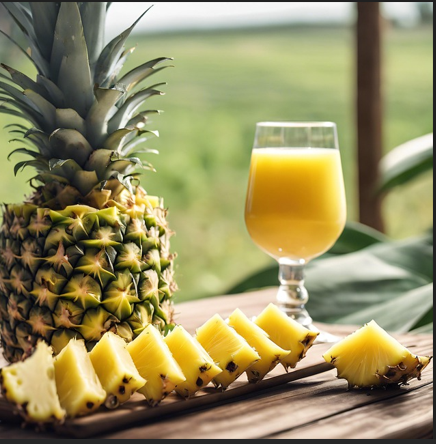
Or you can simply peel it, slice it, and… mmm.