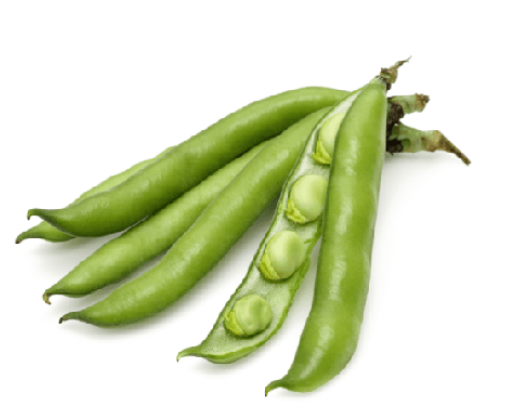
How long have humans been eating fava beans in the Middle East and in the Land of Israel in particular? The truth is, we may never know. People have been eating fava beans in the Levant long before recorded history, before history itself (because if it was not documented, it is not “history”).
The earliest archaeological evidence we have comes from Nahal Cave in the Carmel region. At this site, associated with the Natufian culture, a hunter-gatherer society that predates the agricultural revolution, researchers discovered charred fava bean seeds dated to around 14,000 years ago.
By the Neolithic period (around the 9th millennium BCE), fava beans already appear as a common find, suggesting they were among the first plants domesticated by the people of the Levant.
Why am I telling you this? Because in ancient times, domestication required immense trial and error. Even if much of it was intuitive, it demanded time, thought, and resources that were scarce even in prehistoric societies.
Which means the plants that were chosen for domestication must have offered exceptional value. It is no coincidence that many of the crops domesticated in ancient Eurasia are still central to our diets today: olives, figs, chickpeas, grapes and yes, fava beans.
Fava beans are an annual plant from the legume family. Like other members of this family, their seeds grow in pods and are rich in protein. In a world where meat was not a daily staple for most people, plant-based protein was essential. It did not take long for fava beans, alongside chickpeas, to become a primary food source in the Levant for thousands of years.
They even make appearances in the Bible. For example, in 2 Samuel 17:28:
“Beds, basins, pottery, wheat, barley, flour, roasted grain, beans, and lentils…”
We may not know exactly which variety of fava beans our ancestors ate, but scholars agree it was the same species. If we were suddenly transported back to the time of King David (who, unlike fava beans, is still debated as a historical figure), we would recognize them instantly.
I say “we would recognize them,” but for modern Israelis, who is not entirely accurate. While fava beans were never completely absent from local agriculture or cuisine, over the past thousand years, it was בעיקר Arab communities and Jews from Middle Eastern and North African backgrounds who kept the tradition alive and made fava beans a cornerstone of their cuisine.
Early Zionist culture was shaped largely by immigrants from Eastern Europe, and the emerging Israeli cuisine reflected their traditions. While legumes remained part of the diet, fava beans gradually faded from the mainstream (except among communities from places like Iraq or Egypt) and were often labeled as “Arab food,” replaced by other types of beans.
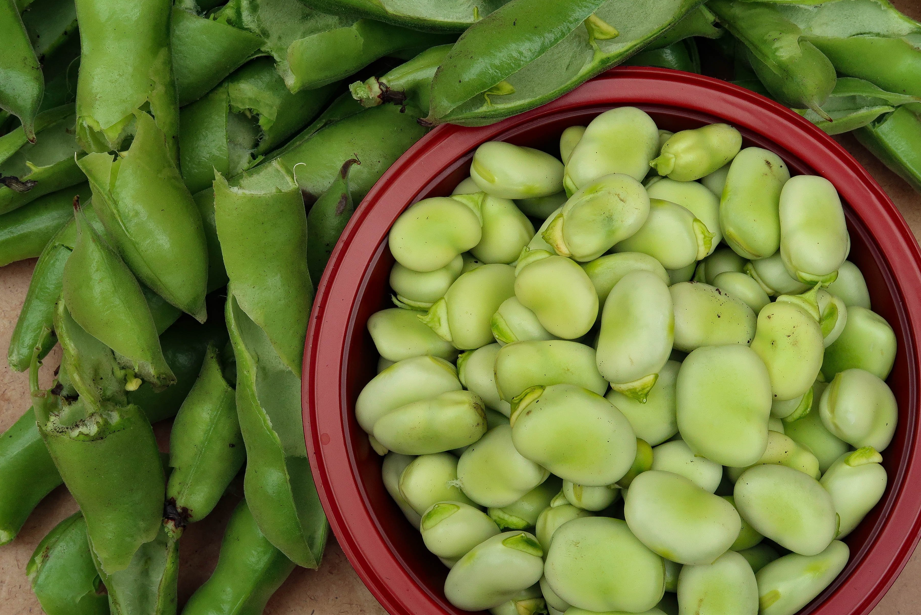
In truth, which was our loss because fava beans are a fantastic legume. Thankfully, in recent years, things have started to change. Just as we have learned to embrace (and even “adopt”) hummus, I hope we are now seeing a similar revival with fava beans.
As mentioned, there are several varieties. The most common are Egyptian fava beans and broad beans. The Egyptian variety, brown in color is what you will usually find in hummus spots.
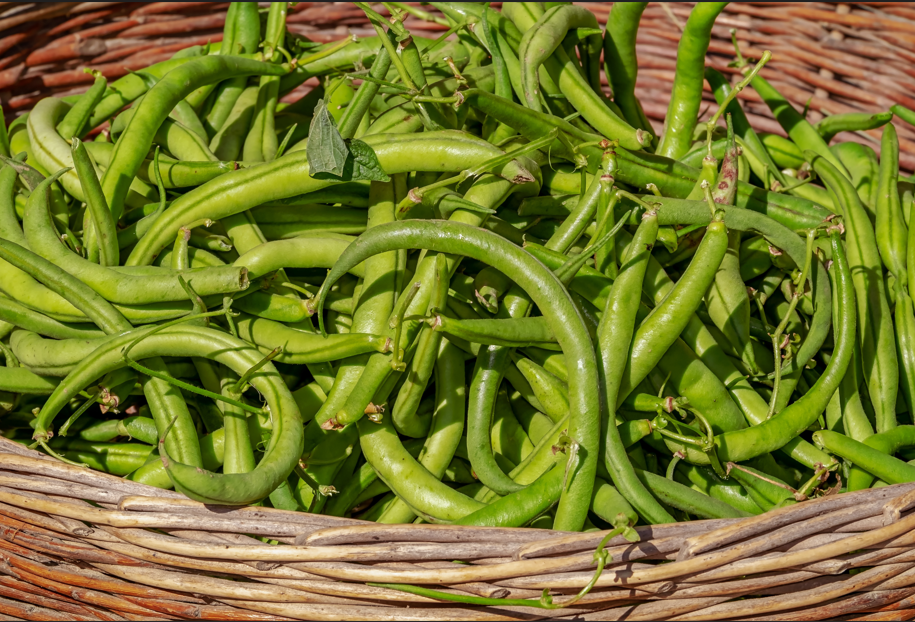
But there is another variety that I personally prefer large green fava beans also known simply as green fava (and I will let you guess the color of the beans).
This week, we have organic green fava beans in the garden and they are truly exceptional. And one more thing: they come already peeled, which makes them a dream for anyone who wants to eat well without working too hard.