In the modern world, we tend to think of spices as something that comes in a glass jar or a plastic container, something you simply pull off the shelf and sprinkle over a salad or into a stew.
We are used to finding an entire world of flavors on a single supermarket shelf: black pepper that originated in South America, cumin that first came from India, nutmeg from Indonesia, and European mustard.
It is a wonderful thing, one we really should not take for granted. Throughout most of history, spices were precious commodities. Outside the regions where they naturally grew (and they became major trade goods thousands of years ago), they were considered true luxury items.
Yes, from the perspective of anyone who lived before the 19th century, today’s spice aisle would seem almost unimaginable. But that convenience has come with a price.
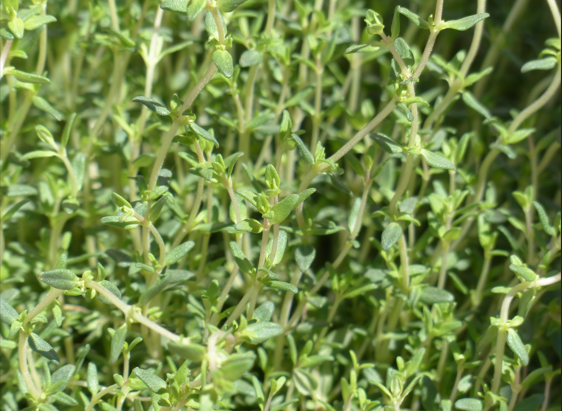
And when I say “price,” I am referring to the fact that, because we can buy dried and ground spices from every corner of the globe, we have forgotten that many of them are at their absolute best when they are fresh. We have become so accustomed to dried spices that we have forgotten there is another way to use them, a way that may require a little more effort, but rewards us generously with richer flavor, greater nutritional value, and a stronger connection to culinary tradition.
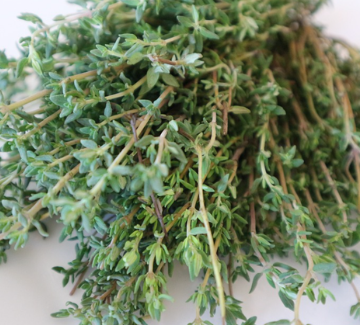
Yes, I am talking about fresh herbs. And fresh thyme is a perfect example.
At first glance, fresh thyme should feel completely ordinary to us. After all, it is not an exotic spice from the jungles of South America or the Indian subcontinent. It is a plant whose wild relatives grow right here in our region—a plant our ancestors knew well enough to give it a beautiful Hebrew name: Koranit.
That name is worth pausing over for a moment. It derives from the Hebrew word kor (“coolness”), because the Sages described the refreshing sensation thyme leaves behind on the palate.
People have been using thyme since the dawn of civilization as a seasoning, a medicinal herb, and even as incense. Archaeologists have found thyme remains in ancient Egyptian sites. The Greeks and Romans used it extensively, and as mentioned, so did our ancestors here in the Levant. It’s a plant with many virtues, so let us briefly revisit a few of them.
Thyme has long been valued for its soothing effect on the digestive system. It contains compounds that act in ways like aspirin, which is why it was traditionally used to reduce fever and ease pain. It is also rich in antioxidants, some of which have natural antibacterial properties.
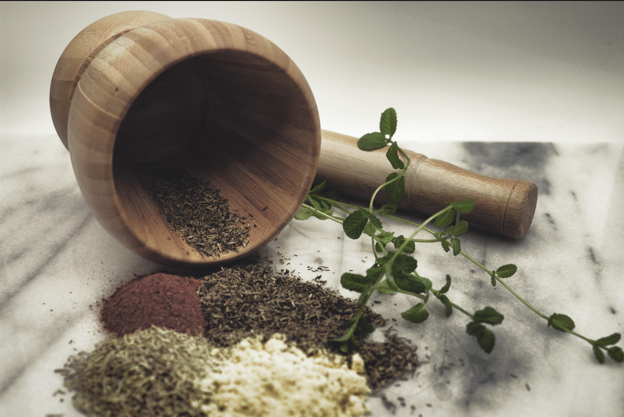
That said, I am not here to cure diseases. I am here because I want my kitchen to smell wonderful and for that, nothing beats a fresh bunch of thyme.
As mentioned, thyme has never really disappeared from the table. But its true importance as a culinary herb became especially clear with the rise of the two great cuisines of Western Europe cuisines that continue to shape fine cooking around the world today: French and Italian cuisine.
In French cooking, thyme is a cornerstone of one of the country’s most iconic herb blends: Herbes de Provence. This mixture, which likely began taking shape during the Middle Ages, is built around thyme and complemented by herbs such as bay leaves and fennel seeds. Together, they create one of the defining flavor profiles of French cuisine.
Italian cuisine which developed into its modern form much later also relies heavily on fresh thyme, particularly in pizzas and pasta dishes.
And there is one more kitchen that simply cannot get enough fresh thyme.
Mine.