For me, the first rain of winter is always an invitation to prepare a hot herbal infusion. It also takes me back to the perfect cup of “tea,” which I had the good fortune to drink many years ago during particularly stormy weather, when I found myself in a Bedouin camp in the northern Negev.
I will not burden you with the story behind the story. I will simply focus on the heavenly cup of tea that I was served.
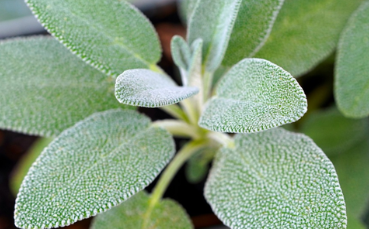
I write “tea,” but it contained no tea leaves. In fact, its main ingredient was a local variety of wild sage that had been gathered nearby. To this day, I do not even know which variety it was.
Israel is home to no fewer than 23 species and varieties of wild sage. Local Arab communities in the Galilee and the Negev traditionally gather and use several of them, both in herbal infusions and as seasoning plants, as people in this region have done for at least 5,000 years.
That rich infusion became unforgettable for me, and I have been a devoted sage fan ever since.
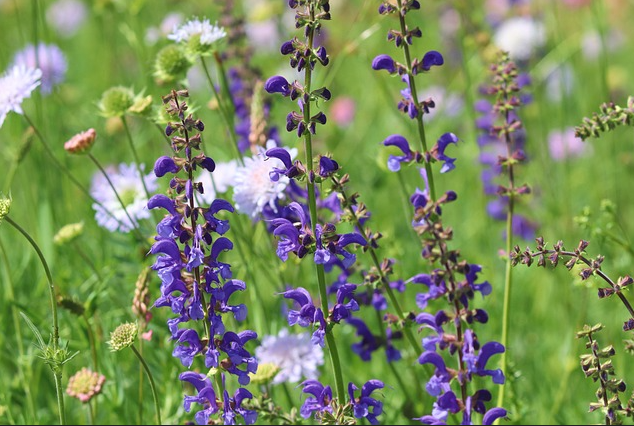
Wild varieties of sage are among the medicinal and seasoning plants that humans discovered intuitively, long before written history existed. People simply encountered the plant and its distinctive aroma. Through many years of trial and error, and knowledge passed down through generations within families, sage, probably the variety now known as three lobed sage or Arabian sage, became an inseparable part of life in this region, both as a medicinal plant and as a culinary ingredient.
When sage is steeped in hot water, both of these uses find magnificent expression.
The medicinal use of sage goes back to the dawn of history, so it is hardly surprising that the earliest written records of the plant appear among the earliest historical accounts. The ancient Greeks believed that regularly drinking sage infusion purified the blood.
Sage also appears in ancient Jewish sources. Asaph the Physician, a Jewish scholar who probably practiced medicine during the early Middle Ages, mentioned sage as a remedy for earache.
Modern science tells us that sage contains a compound called thujone, which can counteract damage caused by toxins. It also contains compounds called phenols, which are known for their antibacterial properties. At the very least, it certainly does no harm.
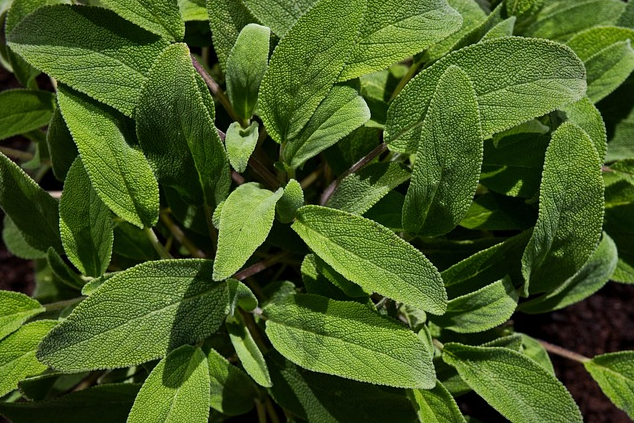
But I am here because I love things that are delicious and interesting, and sage is one of the most successful herbs in that respect.
We have already discussed the magic of sage infusion, but when I look at the local Arab kitchen, I see that sage is also a wonderful seasoning. It works beautifully with fish and meat, in hot and cold dishes, and in casseroles and stews. In other words, it comes highly recommended.
As I mentioned, sage was domesticated relatively late, for the simple reason that it was so readily available in the wild. Today, three lobed sage is a protected plant in Israel, and gathering it in the wild is prohibited.
Modern agriculture, however, has found a solution. We have wonderful organically grown sage available at the Garden.