At an auspicious time, we have finished, at least for now, the Iranian war. In recent years, we often mention the 'Iranian threat'. Iran has always been a regional power, and as such, it has demonstrated a presence in the Land of Israel since the sixth century BCE.
This presence was not always threatening from our perspective; on the contrary. Thanks to Persian control, Babylon was pushed aside, and the Persian king Cyrus permitted the Jews to return to the Land of Israel, enjoy autonomy, and rebuild the Temple in Jerusalem. The return to Zion under the Iranian umbrella marks not only the beginning of the 'Second Temple period' but also a new era in agriculture in the Land of Israel, because thanks to the Persians, many fruits that had not grown here before arrived, including citrus fruits and many other fruits.
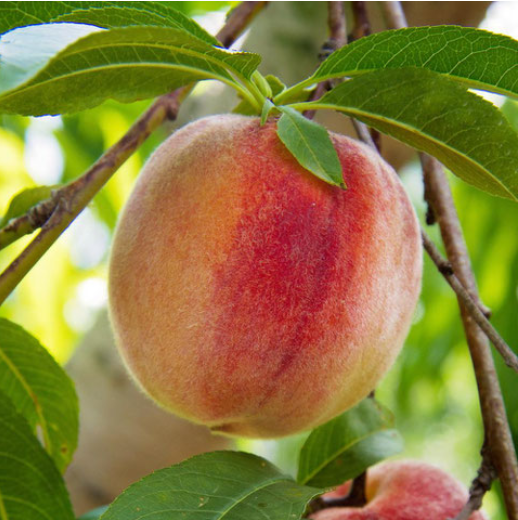
The star of this week's column, the peach, also came to us thanks to the Persians in the first centuries CE. True, the ancient wild varieties of peach originated in China, where it was first domesticated. But Iran, which also functions as a continental bridge between Europe and the Near East to the Far East, was a necessary intermediate station in mediating this fruit, and when the peach reached Southern Europe, these were already varieties developed in Iran.
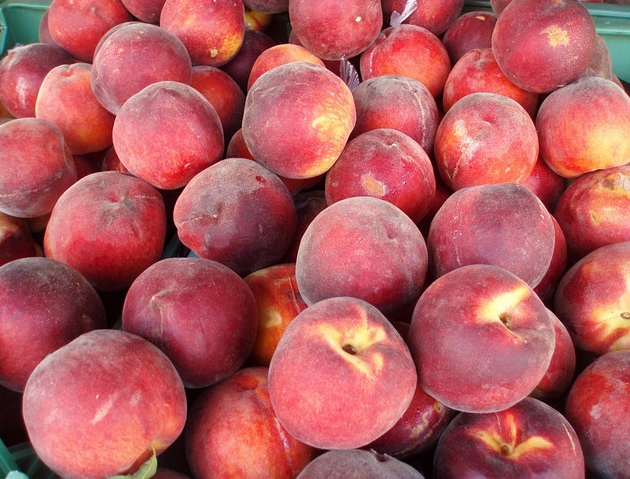
We received this fruit and its name from the Greeks, who called it 'persikon', meaning 'Persian apple', or in the Hebrew version that appears in the Mishnah – persik (peach). This fruit, from the Rosaceae family, today includes about a thousand agricultural varieties. The peach is characterized by its rounded shape, which some cultures see as an erotic image, but this really depends on the culture.
In Japan, where the peach is also a veteran and beloved fruit, there is a well-known folk legend about 'Momotaro', which literally means 'peach boy', about a child who was born from inside a peach. The character of Momotaro was born in the Middle Ages, but even during the twentieth century, it remained popular thanks to adaptations for children's literature and television (yes, there is an anime series about 'peach boy').
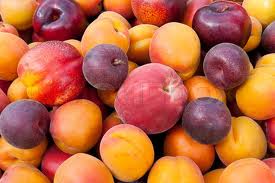
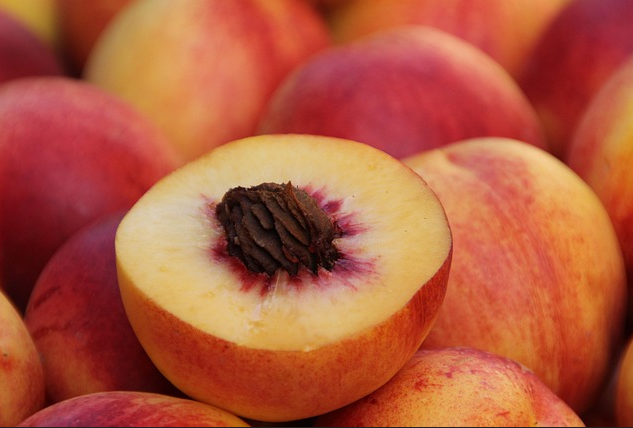
The fruit itself is characterized by skin covered with fine down (smooth varieties are known as 'nectarines' and contrary to common belief, they are not a cross between peach and plum but simply a variety of 'bald peach'). Different varieties are characterized by color that can range from pale pink white to intense orange (outside and inside), as well as a range of flavors that move through tartness, delicate sweetness, and intense sweetness.
Peaches are rich in minerals, vitamins, and antioxidants and also provide a useful source of dietary fiber. Research conducted in Brazil in 2014 supports the hypothesis that antioxidants in the fruit contribute to reducing inflammatory conditions, and other studies indicate that the fruit contains compounds that may strengthen the immune system and even improve vision.
Health is important, but on the other hand, we are not a pharmacy, and I make sure to consume peach in season (meaning now) because it is a delicious fruit. Both in its natural state (simply sinking teeth into the fruit and eating) and in the form of sorbet, smoothie, crushed or juiced combined in salads and cold platters, it is always delicious, always comforting – in the Israeli summer, this is no small comfort.