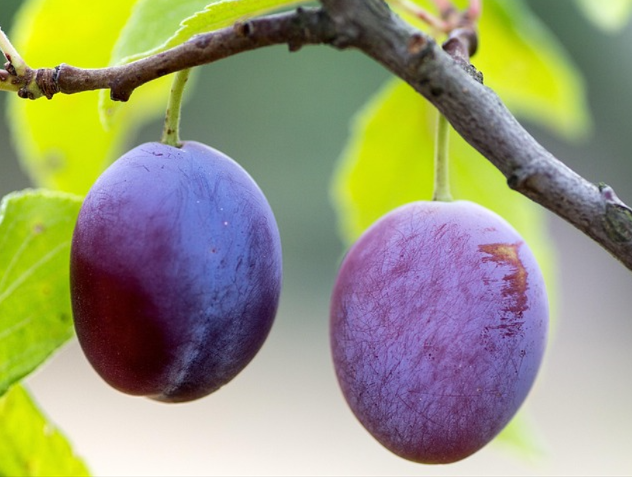
The plum is often considered the workhorse of the fruit world. It’s the second most common fruit on the planet, growing in nearly every climate and on every continent except Antarctica. The common belief is that plums were first domesticated in Central Asia thousands of years ago, from where cultivated varieties spread both to Europe and the Near East. That’s why the European base variety, known as the “European plum,” actually originated in Asia, while the popular Japanese variety originally comes from China. There are also native plum species in North America, which were domesticated and crossbred by European settlers with varieties from the Old World.
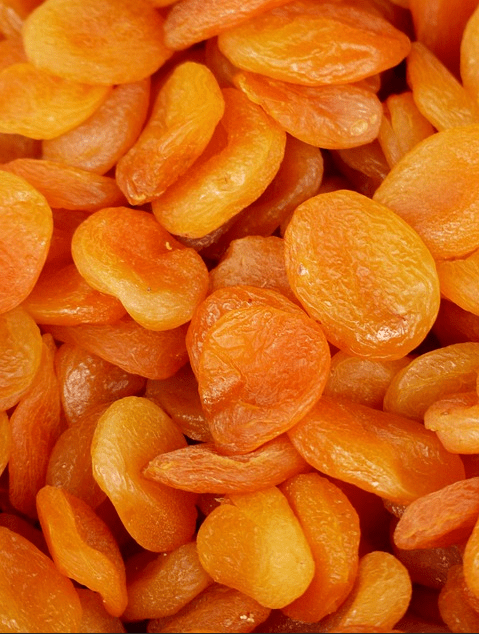
In fact, plums were present at the famous “Thanksgiving Feast” of 1621, held by English settlers in North America, today celebrated as a national holiday in the United States. Here in the Land of Israel, only one wild species is known, the Hermon plum, but as a cultivated crop, plums have been grown here at least since the First Temple period. Archaeological excavations have uncovered pits of domesticated plums, showing just how ancient their use is. Throughout history, people have enjoyed them fresh, cooked, and even distilled into alcoholic drinks. But today, let’s meet the plum in a different state of matter, the dried plum.
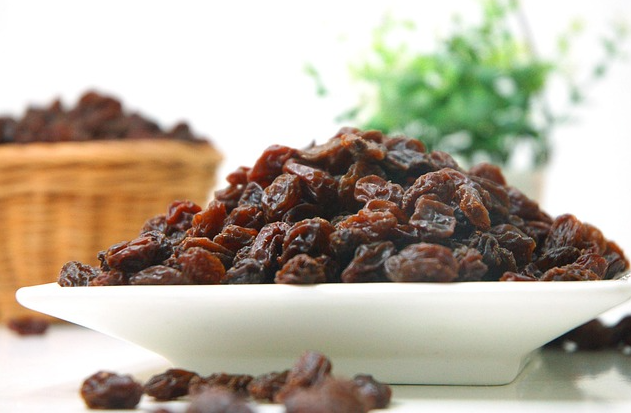
One of the main reasons plums became such a widely grown fruit throughout the ancient world is that they are incredibly easy to dry. And that’s no small thing. Remember, refrigeration is a very new invention, available to most of the world only in the past 150 years. In a world without refrigeration, most agricultural produce couldn’t be stored for long, which made both trade and stockpiling very difficult. Dried fruits, however, offered a partial solution. Since they can survive for many weeks without spoilage (under fairly simple storage conditions), plums had immense value.
In this respect, they resemble figs and dates, which can also be dried. But plums had an advantage, their cultivation area was wider than that of dates and figs, and their flesh was especially suitable for drying. That’s why dried plums became an important trade item from ancient times. At first, they spread eastward along the Silk Road, then during the Middle Ages, thanks to the Crusades, they became popular across much of northern Europe.
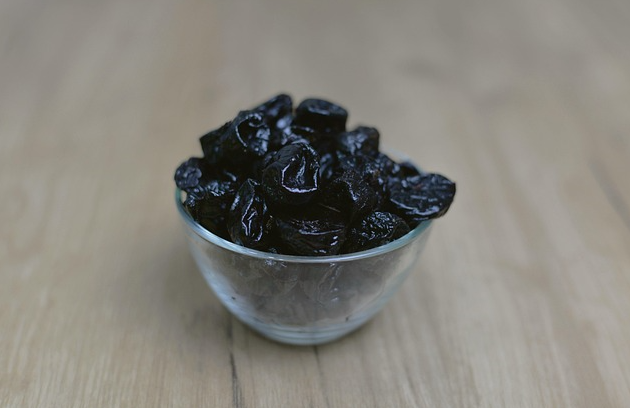
At a time when sugar was rare and expensive, dried plums were nothing short of a superfood, perfect mix of candy and energy bar. They were eaten raw or cooked into stews and dishes (ever wondered how dried plums found their way into Ashkenazi cholent?).
The truth is, dried plums are simply delicious, and as it turns out, they’re also incredibly healthy. You probably already know they’re a natural remedy for constipation. But what you might not know is that they can also help reduce inflammation, prevent bone loss (making them especially recommended for women in menopause), and they’re a fantastic source of vitamins and dietary fiber.
Oh, and by the way we now have organically grown, sun-dried plums in the garden, with no chemicals involved. Highly recommended.