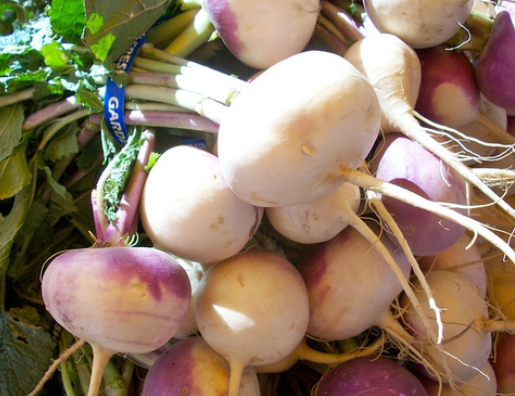
At least once a year, I like to return to the turnip, because going back to the turnip means going back to the roots. I know I’ve already sang the praises of the cruciferous family and its decisive role in the development of human civilization, but the humble turnip, the most modest of vegetables deserves to have its glory days remembered. And let’s be clear: the turnip’s charm hasn’t faded one bit.
Over the past three centuries, Europe has developed a full-blown addiction to the potato. There’s hardly a European kitchen where potatoes don’t play a significant role, especially as a reliable source of calories and food security. I am sure I’m not telling you anything new when I say Europe runs on potatoes, but here’s the thing: until the arrival of Europeans in the Americas (and actually, for several decades afterward), no European farmer had ever seen a potato.
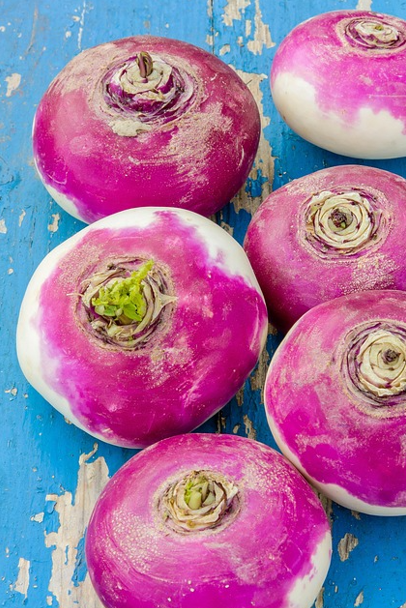
So, what did the people of Europe eat before the mid-16th century? You guessed it, lots of turnips.
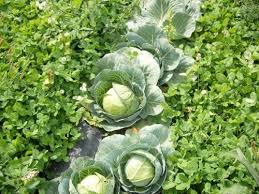
In an age when most people couldn’t afford to eat meat regularly, the turnip (along with cabbage and a few other hardy vegetables) was the calorie workhorse that kept Europe going.
I mention Europe because it was the continent most dependent on the turnip and, ironically, the same one that later abandoned it. The turnip never truly disappeared, but its prestige certainly faded. Yet the turnip has deep roots here in the Middle East as well. Historically, Middle Eastern cuisine was far richer and more varied than its European counterpart.
The turnip was common and beloved here too, though often considered the food of the poor. This attitude is even reflected in ancient texts for example, in the Mishnah (Berakhot 44b): “Woe to the house through which the turnip passes.” Paradoxically, the turnip’s very success as an easy, reliable crop also gave it a bad reputation.
It’s easy and cheap to grow, and human nature being what it is, we tend to prefer the rare and expensive. So the turnip was left behind downgraded to animal feed in many places, which didn’t exactly help its image.
That’s why this week, I’m here to make amends because the turnip is a wonderful vegetable. Beyond its calorie value, it’s rich in dietary fiber, vitamin C, calcium, folic acid, and compounds called isothiocyanates, which have natural antibacterial properties.
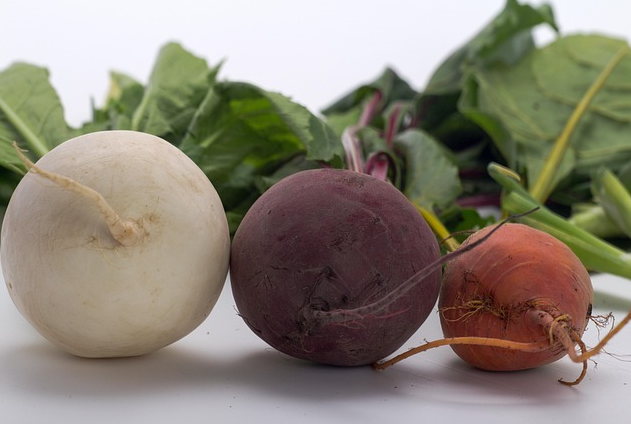
So it’s no surprise that the turnip is healthy but I insist it’s also delicious and incredibly versatile. You can eat it raw (yes, don’t wrinkle your nose, try slicing it thin and serving it alongside cheese or cold cuts). It’s fantastic in stews and soups (and let me remind you, winter is knocking on the door), great on the grill (next to meat or as part of a vegan dish), and you can even make fritters out of it. Iraqi cuisine even has a dessert made from turnip!
By the way, the turnip greens are an excellent substitute for spinach.
In short, keep an eye out for the beautiful organic turnips waiting for you in your box this week. They’re proof that sometimes, going back to basics means rediscovering something incredibly good.