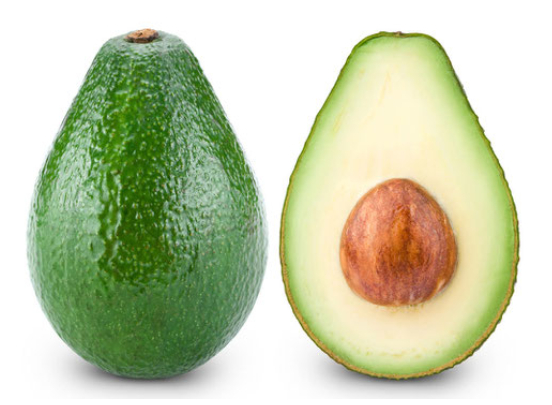
November is here, and with it come the wonderful Ettinger avocados, a perfect excuse to dedicate a post to this delicious variety. I have written quite a bit about avocados before, so today I will keep the intro brief and move straight to the main course: the Ettinger.
The avocado tree grows wild across Central and South America. About fifteen wild species are known, and it is believed that humans have been eating avocados there for around 10,000 years and cultivating them for at least 5,000. By the way, the word avocado is a Spanish adaptation of the fruit’s original name, which quite literally means “testicle fruit.”
After the Spanish conquest, avocados made their way to the Old World. Its rich, creamy texture, high concentration of healthy fatty acids, and the simple fact that it is one of the few fruits that actually contains fat made it a sought-after delicacy. Still, its cultivation outside the Americas was slow and limited mostly to tropical and subtropical regions which brings us to the Land of Israel.
Up until the early 20th century, there were no avocados here. So when did the fruit first reach the Holy Land, and why isn’t this story better known? Well, the first avocado trees in what is now Israel were planted in 1920 by the monks of Latrun Monastery, the “Monastery of the Silent.”
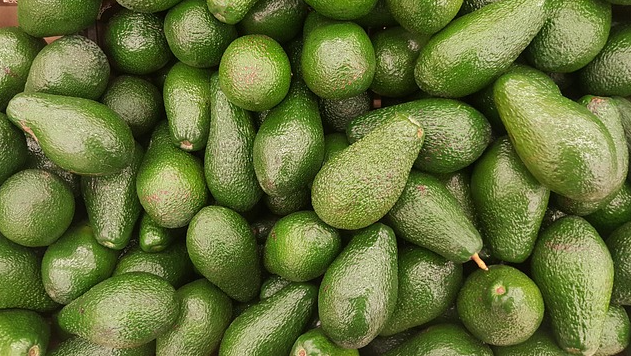
Luckily, word about the avocado managed to escape the monastery walls, and a few cuttings from those trees made their way to the agricultural school of Mikve Israel, where, as far as I know, some of them may still be growing today.
I cannot say for sure whether those early trees are the ancestors of the Ettinger variety, though it is possible. Mikve Israel was also where the first avocado grafts in the country were made but tracing the origins of the Ettinger was not easy.
Many sources cite 1947 as the year the variety was introduced, describing it as a local development of a type known as Fuerte. After some digging, I found that the person behind this development was Professor Yosef Ettinger. Unfortunately, I could not find much more about him, aside from the fact that in 1946, just a year before unveiling the Ettinger avocado, he published a book called Vegetable Growing, which is considered one of the first agricultural guides ever written in Hebrew.
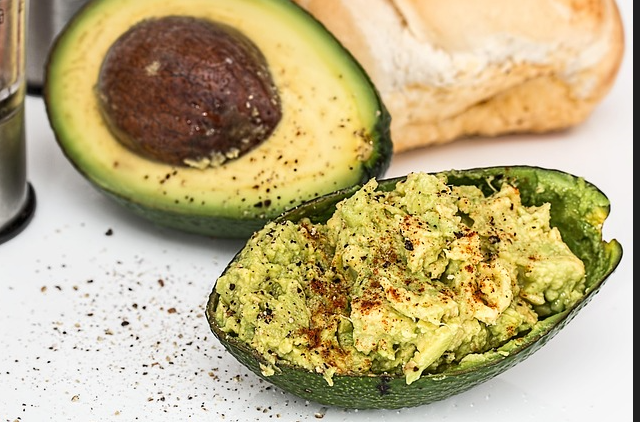
Given the success of his creation, Ettinger certainly deserves more recognition in our agricultural history. There is not even a Wikipedia entry about him, which is a shame. Because I do not think it is an exaggeration to say that the Ettinger variety is what made Israel an avocado superpower, a major global player in the field.
It was the first variety uniquely suited to Israel’s climate, easy to grow and producing wonderfully buttery fruit that pleased both local palates and export markets in Western Europe and North America.
Yes, the Ettinger is the avocado that put us on the map. Nearly eighty years later, it remains one of the most popular varieties in Israel and this week, it is waiting for you in your garden box.