Everyone loves Italian food. Recently, Italian cuisine was even recognized by UNESCO as part of the world’s cultural heritage. That only reinforces the feeling that the Italian food we know and cherish is ancient woven into the Italian peninsula since time immemorial. Except… not exactly.
Some researchers argue that “Italian cuisine” as we know it is largely a 19th-century invention, and that several of its flagship dishes were actually developed in the 20th century, sometimes even in the United States.
I won’t dive too deeply into that debate. Personally, I believe the roots of Italian cuisine do lie in Italy. But I do agree that almost everything we recognize today begins, at the earliest, in the late 15th century. The Romans didn’t know pasta. Ingredients like tomatoes, corn, peppers, and potatoes simply didn’t exist in Europe before the discovery of the Americas.
So anyone searching for an “authentic Italian dish” that Julius Caesar himself would recognize is bound to run into trouble. Fortunately, there is one component of modern Italian cuisine that the Romans almost certainly knew in some form: pesto.
Unlike many of the foods we have mentioned (and many we have not), all the basic ingredients of pesto were readily available around the Mediterranean in general, and on the Italian peninsula in particular: olive oil, garlic, pine nuts and of course, the star of the show- abundant fresh basil leaves.
The name pesto (which literally means “to pound” or “to crush”) and the earliest written recipes we know date to the 16th century which already makes pesto a relatively “ancient” Italian dish. But given how common and accessible its core ingredients were, along with ample archaeological evidence, it is safe to link this sauce back to Roman times.
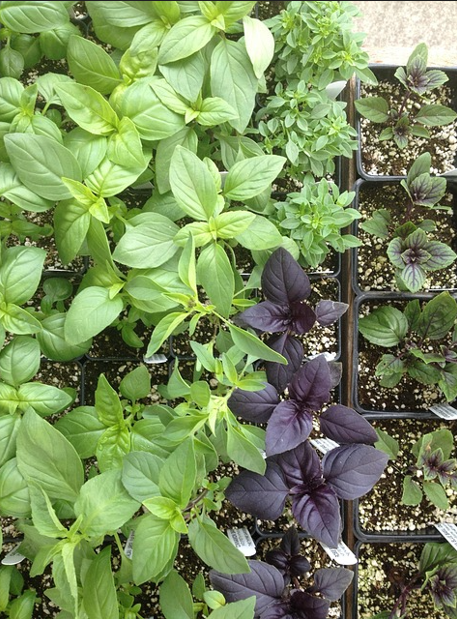
True, the Romans did not toss it with pasta (which likely reached Italy from the East only in the Middle Ages), nor did they spread it on pizza. But they almost certainly used it to dip bread and to flavor a variety of other dishes. I will return to the Romans in a moment- first, let us revisit basil, and in particular the special variety we are bringing you this week: purple basil (packed alongside green basil, in generous bunches).
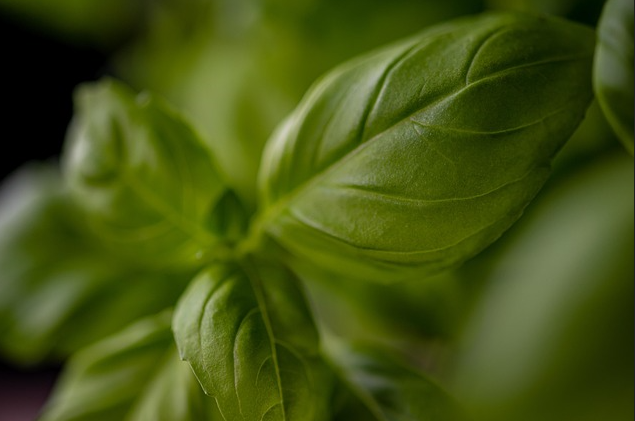
Basil, known in Hebrew as reihan is an aromatic herb from the mint family. Its wild relatives are native to Asia, including the Mediterranean basin. The basil most of us know is the Italian variety, descended from plants domesticated by the Romans and perhaps even earlier, by the Etruscans, thousands of years ago.
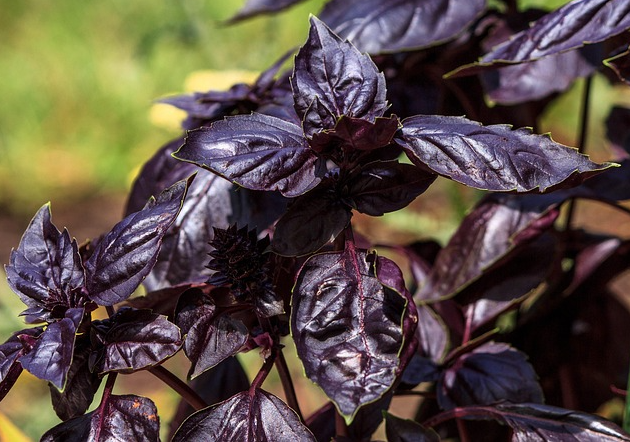
The most familiar form of modern basil is green. It is wonderful. But basil has other expressions too, and one of them is purple. Purple is not rare in the vegetable world, we know purple cabbage, purple onion, purple lettuce, and yes, purple basil. Its color comes from high concentrations of pigments called anthocyanins, which also happen to be powerful antioxidants and beneficial to our health.
Basil is a magnificent herb, fantastic in salads and cold dishes but its culinary crown jewel is undoubtedly pesto. Have you ever tried purple pesto? That is what happens when you make pesto with purple basil. I absolutely love it. The result is almost psychedelic.
And that brings us back to the Roman emperors. One of the privileges reserved exclusively for emperors was the color purple. It was the imperial color, only the emperor was allowed to wear a purple cloak. The usual punishment for unauthorized fashion use of purple? Crucifixion.
Did the Romans know purple basil varieties? I honestly don’t know but it’s not far-fetched. Was there purple pesto? Very likely. The Romans had a keen sense of aesthetics and drama, and plenty of culinary imagination. I doubt there was an imperial ban on making purple pesto outside the palace kitchens but who knows? Emperors like Caligula or Nero were certainly unhinged enough to impose such a rule.
Since I enjoy living on the edge, I’ll ignore any hypothetical imperial decree and head to the kitchen to make a beautifully psychedelic sauce.