Last time we met, I dedicated the column to green papaya. This week, I am turning to something that, on the surface, seems as far from green papaya as possible: lovage, an aromatic herb strongly associated with Romanian cuisine.
And yet, in a strange way, the two have something in common. Both are what you might call a one-trick pony. In other words, each of them is closely tied to the preparation of an extremely specific dish, the one dish for which they were essentially made. But what dishes they are. True flagships.
Green papaya led us into the heart of the Thai papaya salad. Lovage, almost inevitably, takes us somewhere else entirely to another iconic dish: Romanian ciorbă soup.
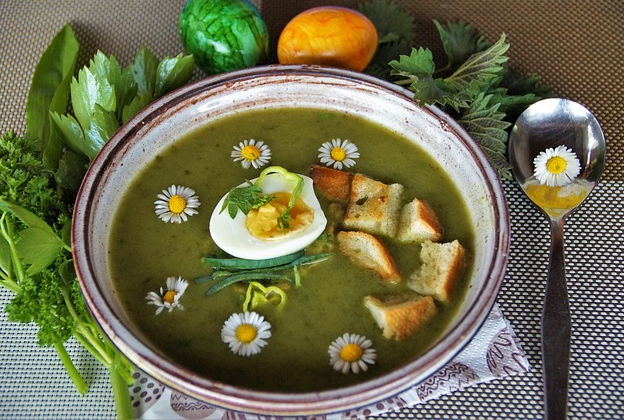
In fact, ciorbă is a general name for a whole family of soups in Romania. There are dozens if not hundreds of variations, and they can differ dramatically from one another. Some versions include meatballs, others rely on organ meats. There are fish-based ciorbă soups and countless vegetarian versions, each with its own character.
So is ciorbă simply the Romanian word for soup? Not quite. There is one defining element that unites all types of ciorbă and distinguishes them from other soups and stews. What is the secret ingredient that turns a soup into a ciorbă?
By now you may already suspect the answer, but let me present it formally by handing the floor to the Romanians themselves:
“Ciorbă without lovage is not ciorbă.”
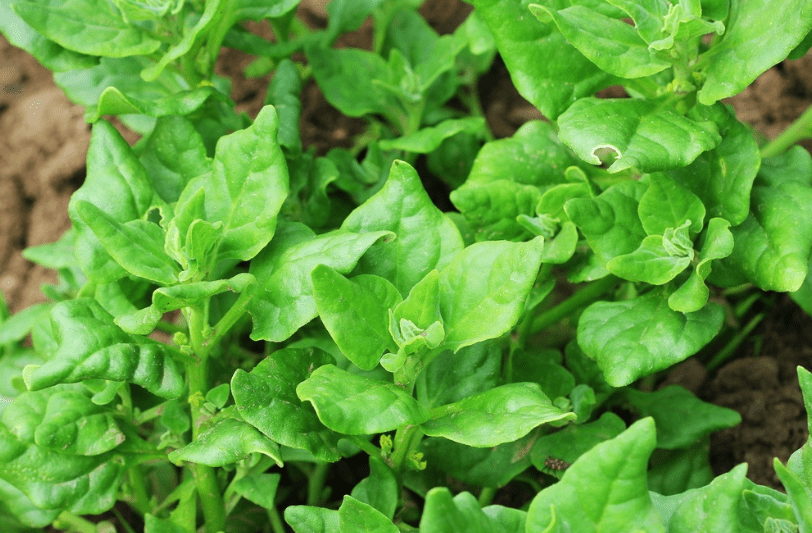
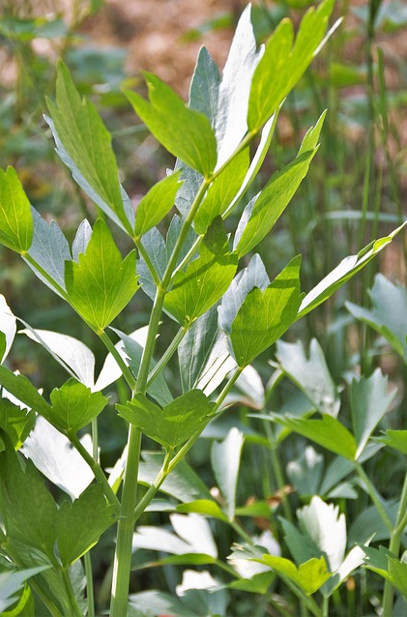
But after all this talk about ciorbă, we still have not properly met lovage itself. At first glance, lovage looks quite similar to celery. It has long, crisp stems and serrated leaves, and you might easily assume it’s just another celery variety.
Until you taste it. Unlike celery, lovage carries a sharper flavor and a distinct tangy note.
The comparison is not perfect, but you could think of lovage as the Romanian version of lemongrass (we started with a Thai comparison, so I will keep the theme going). In any case, it is a remarkable herb with a bold and distinctive flavor yet somehow it never truly broke out beyond Romanian cuisine.
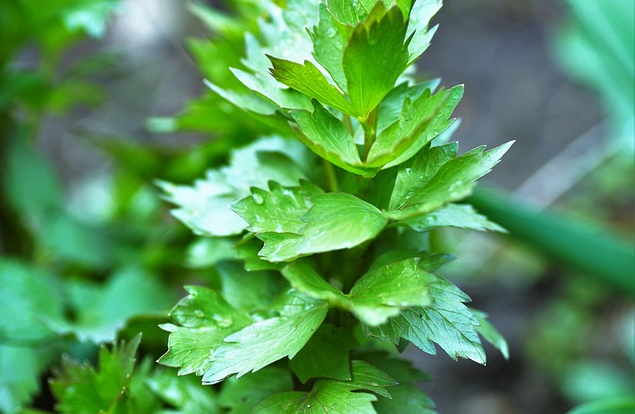
From Romanian friends I know that it is not always easy to find lovage in Israel. Only a handful of farmers grow it, and most of the harvest is exported. When it comes to organic cultivation, the situation is even rarer.
But this week, we actually have lovage here in the garden. It is winter outside and apparently Iranian missiles too. In other words, it is the perfect moment to assess your ciorbă-making skills.
In truth, it is quite simple: any soup whose broth includes lovage can rightfully call itself ciorbă. Of course, you are more than welcome to explore proper traditional ciorbă recipes as well.