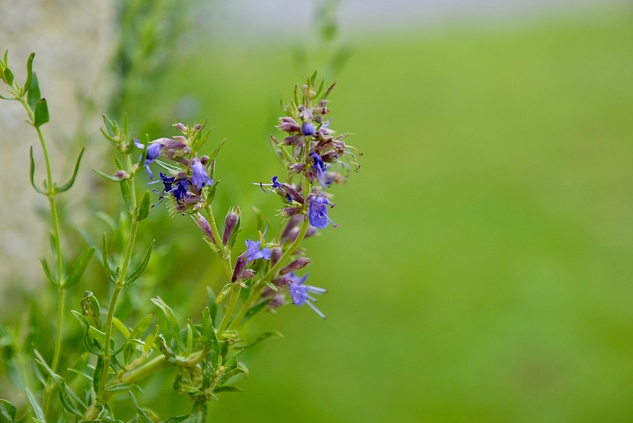
Sometimes the most wonderful things grow right under our noses. Despite their remarkable aroma, they somehow slip completely under the radar. That is exactly the case with this week’s featured herb.
Without underestimating you, dear readers, I suspect many of you have never encountered the name tzatra (savory) even though you have almost certainly tasted it and enjoyed its fragrance countless times without knowing it.
So what am I talking about? Savory, an herb from the mint family, with delicate pink blossoms. Its wild varieties grow throughout the Mediterranean basin and across large parts of Asia, including right here in the Land of Israel.
Savory is one of the earliest culinary and medicinal plants adopted by humans. It was already being used in Canaan more than 5,000 years ago, and its use has never truly disappeared. To this day, rural Arab communities forage it and use it much like they use za’atar.
In fact, many versions of the familiar dried and ground za’atar spice blend include dried savory as well. Beyond foraging, savory was domesticated and cultivated as an agricultural crop. As the subtitle suggests, the Romans- yes, them again, made generous use of it.
We may have known it first, but the Romans were nothing if not practical. Because savory was more readily available in southern Europe than wild za’atar, it became a staple seasoning there. To this day, one of its common names is “Roman za’atar.”
As mentioned, savory is not just an aromatic herb with a deep, assertive scent. Throughout history and even today, it has also been valued as a medicinal plant.
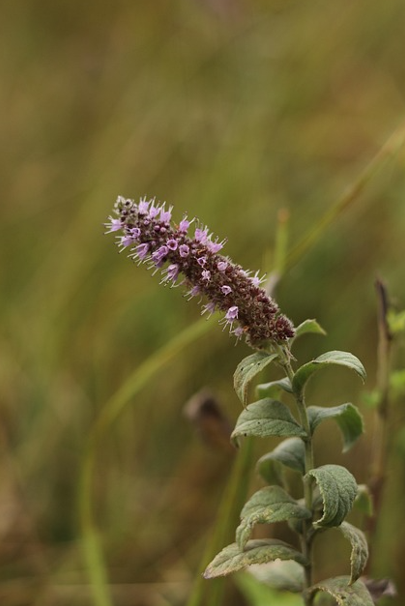
Like za’atar, savory contains a high concentration of essential oils with antibacterial properties. Folk medicine describes it as helpful in cases of inflammation and infection, supportive of digestion and nutrient absorption, and even beneficial for focus and mental clarity.
That said, my real test is always in the kitchen. I love savory because it enriches the flavor profile of za’atar, because it is local, and because it is simply a wonderfully versatile herb. It pairs beautifully with dishes meant to be dipped in olive oil, and it integrates seamlessly into a range of southern European and Caucasian cuisines.
Winter or summer, savory holds its own. And right now, at the height of its season, it is especially worth celebrating.