Do you like your fruit… hairy?
I realize that is a strange way to begin a piece about fruit, but stay with me. The sharper-eyed among you may already have noticed the small nod to Eugène Ionesco’s theater of the absurd, so if we are going absurd, let us sharpen the question: do you prefer your fruit, smooth or fuzzy?
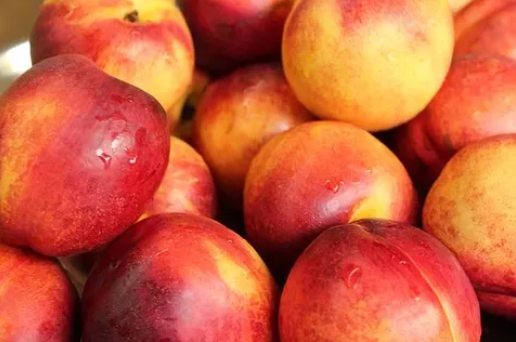
Because that, in essence, is the difference between a nectarine and a peach. While peaches are covered in a fine layer of fuzz, nectarines stand smooth and glossy, completely hairless. Does it matter? Yes and no. It is a matter of taste.
Personally, I have no problem with peach fuzz. In fact, I sometimes feel it adds a subtle dimension to the texture. That said, there are moments when I prefer the smooth skin and more intense sweetness of a nectarine. In the end, it is a personal preference and for many of us, me included, it is entirely fluid.
I say “peach or nectarine,” but the truth is – they are the same fruit. Just different varieties. I promised absurdity. Some would even argue they are not separate varieties at all, but rather different expressions of the same fruit.
In peaches, the genetic mechanism that determines whether a fruit will be “hairy” or “smooth” is quite similar to how eye color works in humans. The smooth-skin gene is recessive like blue eyes. It only appears when inherited from both parents. Any other combination results in a fuzzy peach.
So in modern agricultural terms, nectarines can be considered simply “bald peaches.” But originally, every peach carries the potential to become a nectarine and vice versa.
This very phenomenon caught the attention of Charles Darwin, who wrote:
“We have instances of peach stones producing nectarine trees, and of nectarine stones producing peach trees… of the same tree bearing both peaches and nectarines, and of peach trees bearing nectarines.”
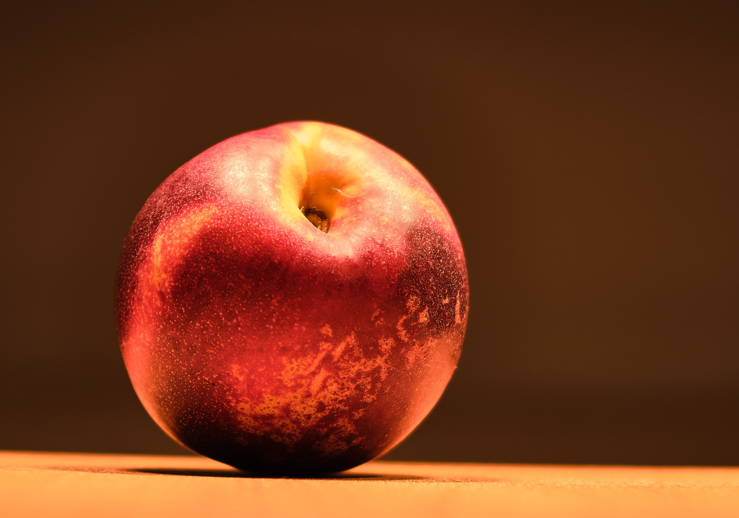
I, for one, do not argue with Darwin. And botanically speaking, the overlap is clear, nectarines and peaches often share characteristics such as flesh color (orange, yellow, white, or even greenish), size, shape, and other traits.
So why do we treat them today as two distinct fruits with different names? That is an excellent question and unfortunately, I do not have a perfect answer. At some point, a conceptual split occurred. The first recorded use of the word nectarine in English dates back to 1611, and as agriculture became more specialized, the term was adopted for smooth-skinned peaches and simply stuck.
The name “nectarine” later made its way into Hebrew. More or less. In Israel, we added our own twist along with a persistent myth. According to this myth (imported from abroad), nectarines are a hybrid between peaches and plums.
It is an appealing idea. The smooth, shiny skin does resemble that of a plum, an easy association to make.
But as we have already learned, there is no connection. There are simply smooth peaches and for some reason, we call them nectarines.
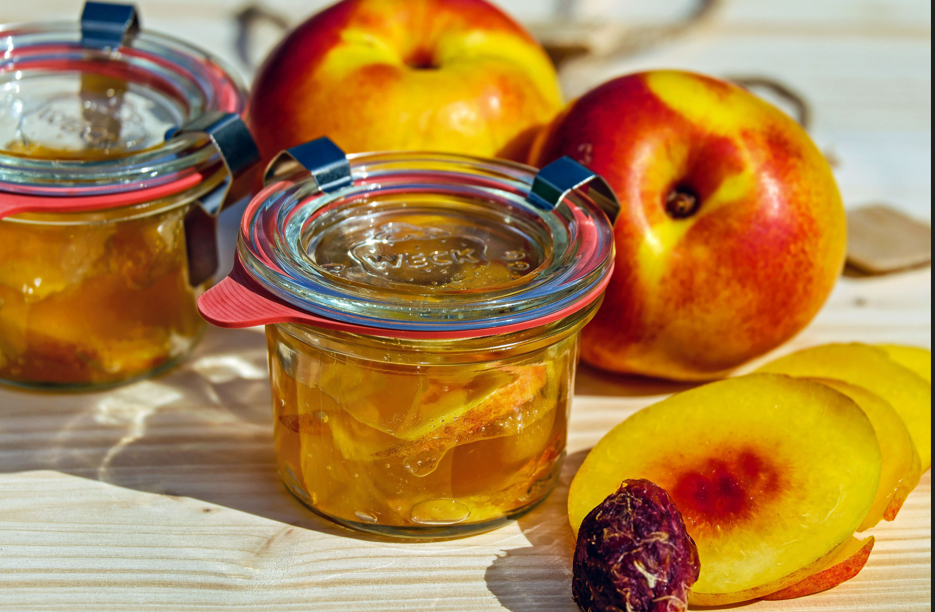
Still, Israelis love a clever wordplay. From this myth came a charming but misleading Hebrew name: afarshezif (a blend of “peach” and “plum”). It is a nice linguistic creation but completely inaccurate. To the credit of the Hebrew Language Academy, it never became official.
In any case, whether we call it by the right name, the nectarine remains what it is: essentially a peach minus the fuzz. And now, as summer begins to peek around the corner, fruits from the rose family are starting to show their early varieties.
This season’s early nectarines?
They turned out exceptionally good.